
The largest calcite resource base, with national calcium carbonate mineral reserves around 54.2 billion tonnes — about 93% limestone and 7% marble — distributed across almost every province.
Calcite Grinding Mill
CRGM Series
From raw calcite quarry stone to controlled 5–45 μm powder: a complete technical guide to calcite deposits, powder fineness and the ultrafine grinding process.
- D97 5–45 μm
- Typical calcite powder range
- 250–2500 mesh
- Adjusted by classifier speed
- Since 1973
- Grinding equipment manufacturing
A technical resource for calcite powder producers — equipment specifications are indicative until confirmed by material testing.
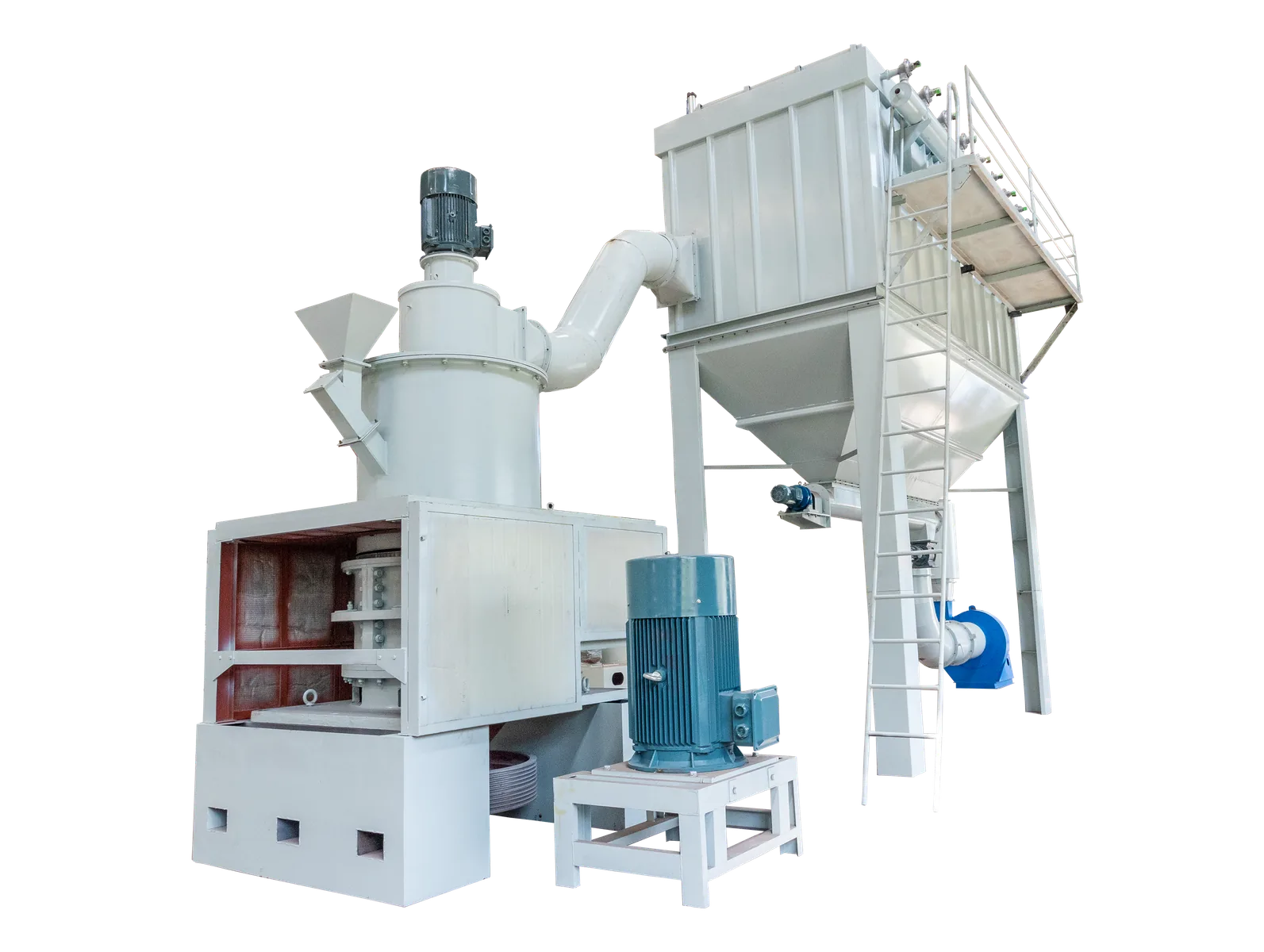
CRGM1000CRGM2000CRGM3000
1973Guilin Mining Machinery founded
50+ yearsGrinding equipment manufacturing
8000+ setsMills delivered worldwide
ISO & CECertified systems and equipment
01 / The manufacturer
Cronus: the international arm of a 50-year grinding mill maker.
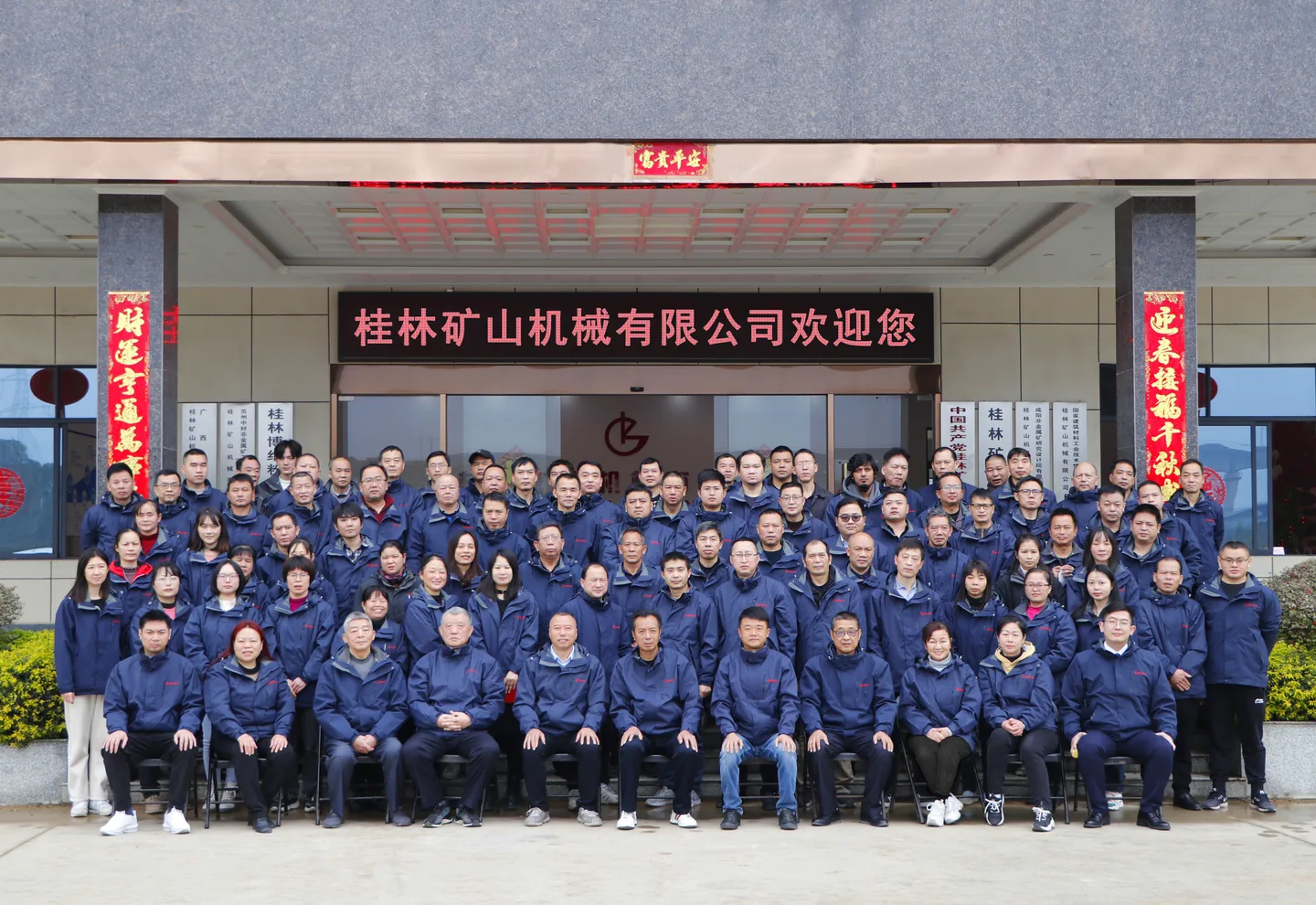
Shanghai Cronus Machinery Co., Ltd. is a wholly-owned subsidiary of Guilin Mining Machinery Co., Ltd., founded in 1973 and known for five decades as one of the two grinding equipment manufacturers designated by the former Ministry of Machinery and Electrical Industry of China.
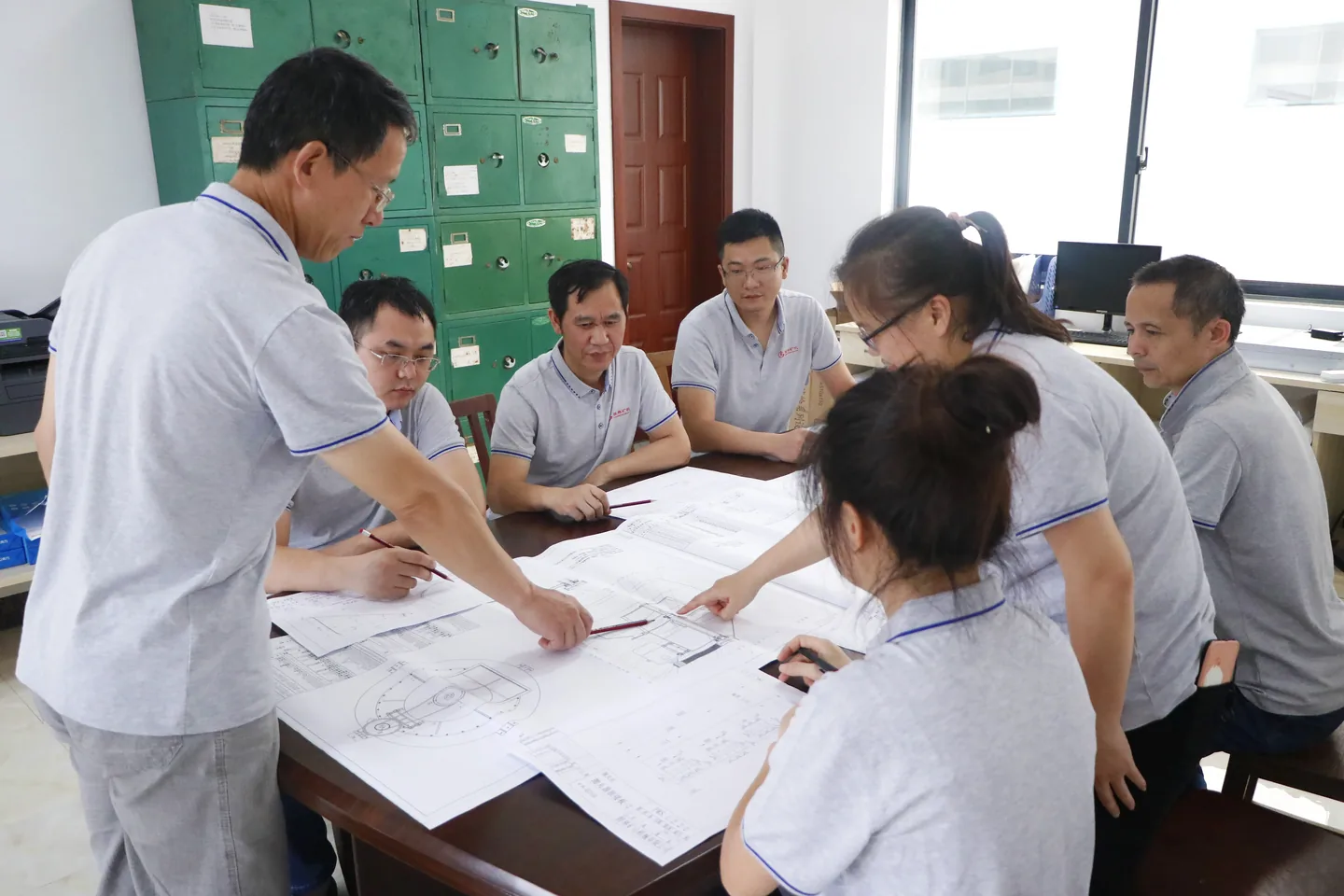
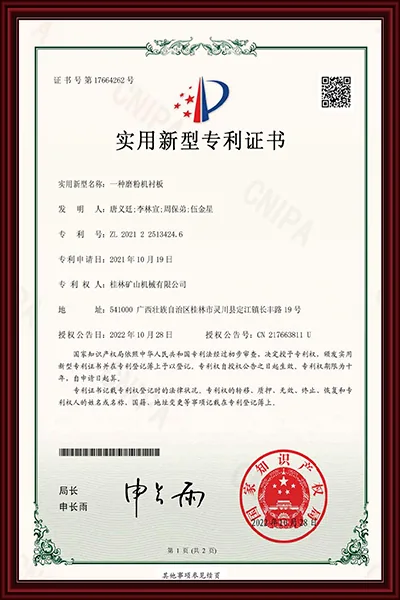
Over more than 50 years the Guilin factory has delivered over 8,000 grinding mills, filed 55+ patent technologies, and grown from a state-owned machinery backbone into a specialized manufacturer of Raymond mills, vertical roller mills, ultrafine ring roller mills, crushers and hydrated lime lines. Cronus was established to connect this manufacturing base with international customers — from material testing and flow-sheet design in Shanghai to factory acceptance in Guilin.
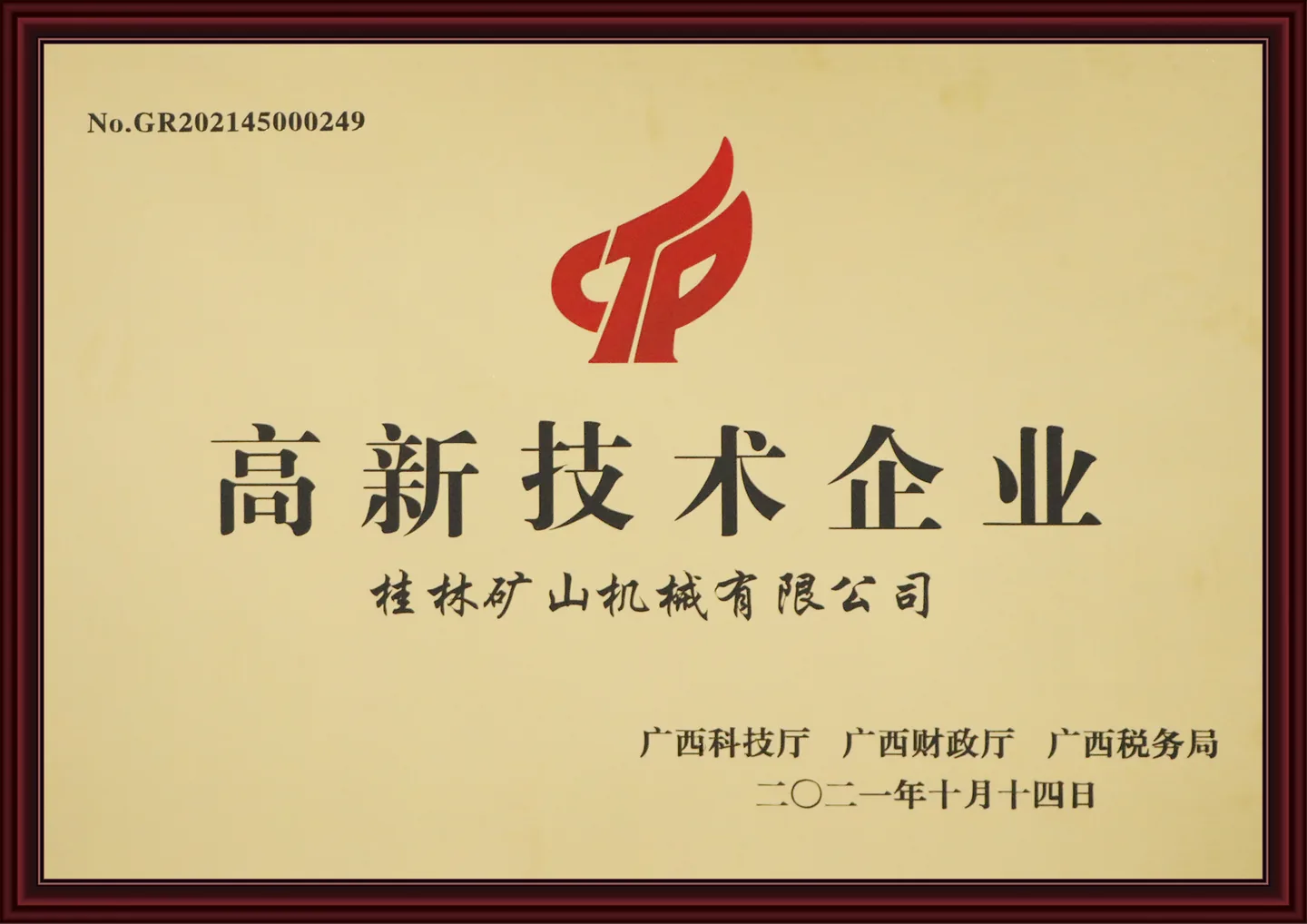
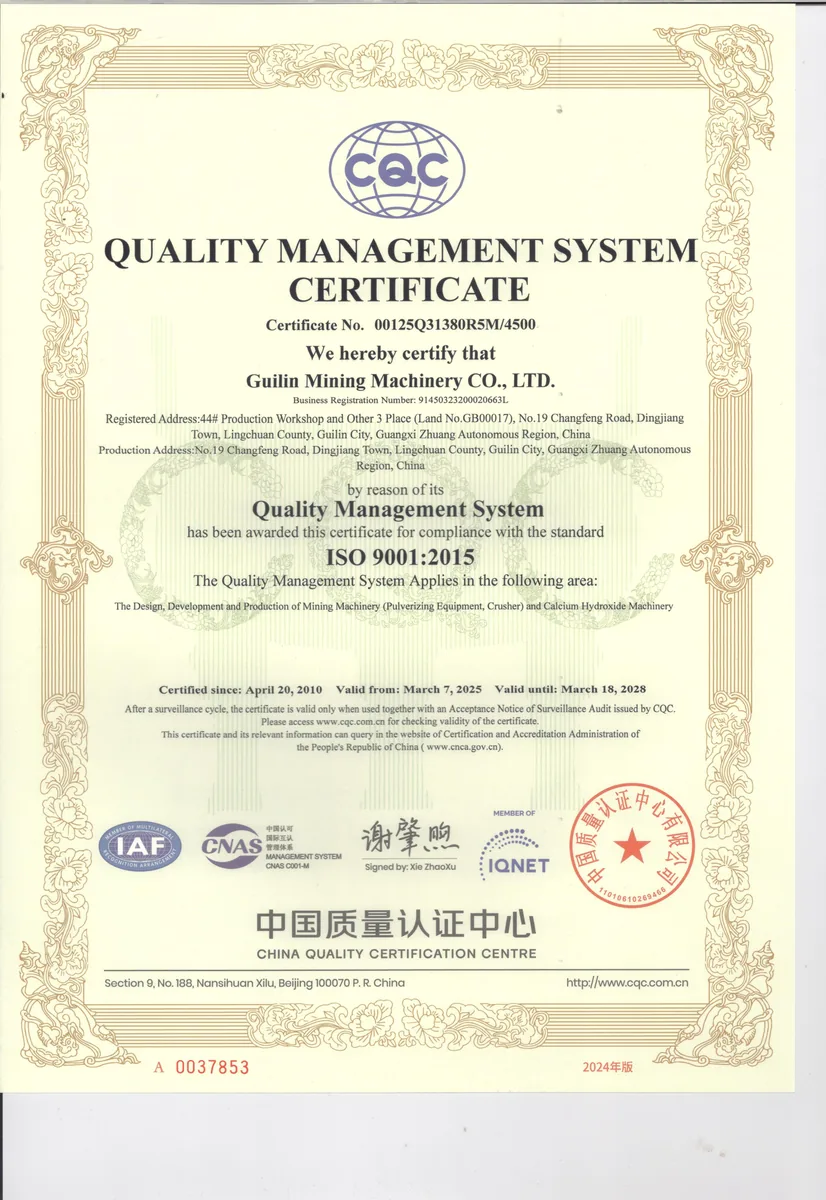
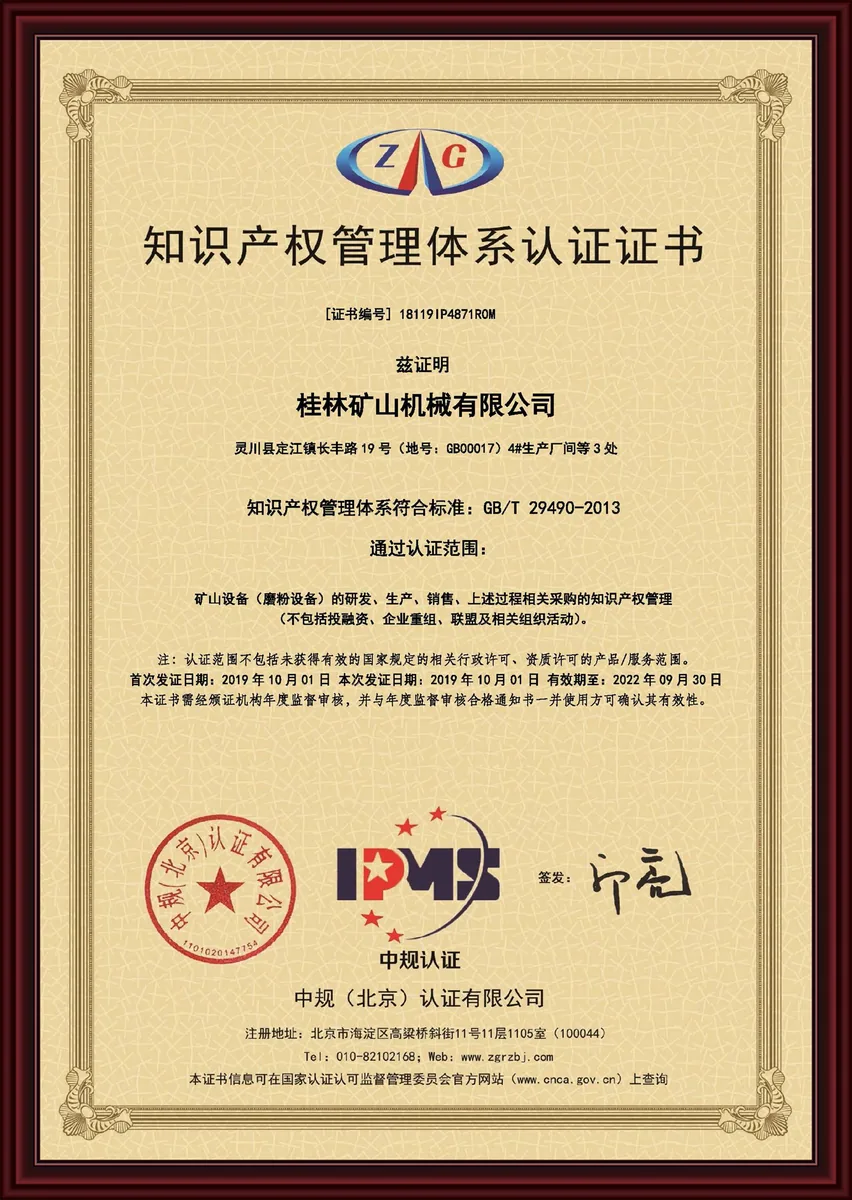
High-tech enterpriseCE certified equipmentISO 9001 / 14001 / 45001Invention & utility patentsGuangxi science & technology awardSpecialized & sophisticated SMEEnterprise technology centerAAA credit enterprise
02 / The raw material
Calcite: the mineral behind most of the world's white powder.
Calcite is the stable crystalline form of calcium carbonate (CaCO₃) and one of the most abundant minerals in the Earth's crust. With a Mohs hardness of only 3, perfect rhombohedral cleavage, natural whiteness and chemical purity, calcite is the preferred feed for ground calcium carbonate (GCC) — the filler used in plastics, paper, paints, rubber, sealants and construction chemistry.
Industrial calcite grades are judged by four properties: CaCO₃ purity (97.5%+ for premium filler), whiteness (90–97%), abrasive impurities (quartz and iron), and the grindability that determines mill sizing. All four depend on the deposit — which is why understanding where calcite comes from is the first step in powder project planning.
Where the world grinds its calcite
Indicative regional share of ground calcium carbonate (GCC) production. Asia dominates both resources and processing capacity.
Compiled from public industry reports; values are indicative, not audited statistics.
High-purity calcite in Belgium, France, Germany, Italy and Greece feeds a coatings- and paper-grade industry famous for consistency and traceability.
US southeastern and midwestern limestones, Mexican and Brazilian marble, and Indian calcite from Rajasthan and Gujarat support large regional GCC plants.
China's four calcite powder production bases
"China's calcite city" — a complete GCC industry cluster with high-grade crystalline calcite.
High-whiteness calcite, national non-metallic mineral industrialization base.
One third of Zhejiang's resource, low impurity, export-oriented powder industry.
World-class open-pit calcite mines; Guangxi also hosts Cronus' Guilin factory.
Field footage
Watch a calcite grinding line in operation
Closed-circuit ultrafine grinding: the ring roller mill, dynamic classifier and pulse collector working as one negative-pressure system.
03 / Fineness & uses
One mineral, many powders: mesh grades and their markets.
Calcite powder is sold by particle size. Each downstream industry has settled on the fineness where performance and cost balance — going finer than needed wastes energy, while going coarser fails the specification.
Plastics & masterbatchPaper fillingPaper coatingPaints & coatingsRubberSealants & adhesivesPVC pipes & profilesCeramics & glassAgriculture & feedDesulfurization
Calcite powder fineness spectrum
Coarse40–100 mesh
150–400 μm
150–400 μm
Medium100–325 mesh
45–150 μm
45–150 μm
Fine325–800 mesh
18–45 μm
18–45 μm
Ultrafine800–2500 mesh
5–18 μm
5–18 μm
Micronized2500 mesh+
≤ 5 μm
≤ 5 μm
CoarserFiner →
Typical commercial bands; boundaries overlap because applications grade by full particle-size distribution (PSD), not a single number.
Calcite powder grades: where each fineness is used, and why
The "why" column is what matters when planning a calcite grinding project — fineness is chosen by the physics of the end application.
| Grade | Fineness | Main applications | Why this fineness |
|---|---|---|---|
| Coarse | 40–100 mesh 150–400 μm | Poultry grit, soil conditioner, glass batch, FGD sorbent | Must dissolve or react in use; finer grinding adds cost with no performance gain |
| Medium | 100–325 mesh 45–150 μm | Rubber compounds, cable insulation, putty, asphalt filler, ceramics | Balances reinforcement against oil absorption and compound viscosity |
| Fine | 325–800 mesh 18–45 μm | PVC pipes and profiles, plastics filling, paper filler, wall putty | Small enough particles to sit between polymer chains, raising stiffness without surface defects |
| Ultrafine | 800–1250 mesh 10–18 μm | Masterbatch, PP/PE compounds, sealants, interior paints | Narrow PSD disperses without agglomeration, improving impact strength and film smoothness |
| Ultrafine+ | 1250–2500 mesh 5–10 μm | Premium coatings, high-gloss plastics, paper board coating | Finer particles raise whiteness, suspension stability and scrub resistance of the final film |
| Micronized | 2500 mesh+ ≤ 5 μm | Top paper coating, pharmaceutical and food grades* | Print gloss, ink holdout and tabletting behavior demand near-colloidal calcite |
*Food and pharma grades additionally require chemical purity certification, not only fineness.
04 / From quarry to powder
The calcite grinding flowsheet: crush, convey, grind, classify, collect.
Every GCC plant is a chain of unit operations. Get the front end right and the mill runs stable; neglect it and even the best calcite grinding mill loses capacity.
Crush
Jaw crusher reduces run-of-mine calcite to ≤ 30–60 mm; a fine crusher brings it to the mill feed size of 5–20 mm.
Convey
Bucket elevator lifts crushed stone to a silo; a metering feeder doses it into the mill. Dry feed below 3% moisture keeps classification stable.
Grind
Inside the mill, rollers press and shear calcite particles against rings. Calcite's cleavage makes it efficient to grind — that is why it is a filler benchmark.
Classify & collect
Air carries powder to a dynamic classifier; fines pass, coarse returns. Qualified powder is captured by the pulse dust collector and packed.
Choosing the right calcite grinding equipment
Three machine families dominate calcite grinding. They overlap only slightly — the target fineness decides which one makes economic sense.
Raymond mill (pendulum)
Typical product: 80–400 mesh · 38–180 μm
Mature, low-capex and easy to maintain. Pendulum rollers grind against a ring with air classification. The standard choice when calcite powder above ~400 mesh (38 μm) is acceptable.
Limits: capacity and efficiency fall sharply below 400 mesh; top-size control is broader.
Ball mill
Typical product: 200–325 mesh · 45–75 μm
Impact-and-attrition grinding in a rotating drum, suited to very large throughputs and wet or dry operation. Widely used for cement-style duties and coarse GCC.
Limits: specific energy rises steeply in the ultrafine range; dry classification below ~10 μm is difficult; heavy footprint and media wear.
CRGM ring roller mill
Typical product: D97 5–45 μm · 250–2500 mesh
Multi-stage rolling with a variable-speed dynamic classifier in one closed, negative-pressure circuit. Built for the 800–2500 mesh calcite grades that plastics, coatings and paper coating demand.
Lower energy than jet mills at equal fineness; fineness changes without changing screens.
05 / Working principle
Inside the CRGM calcite grinding mill.
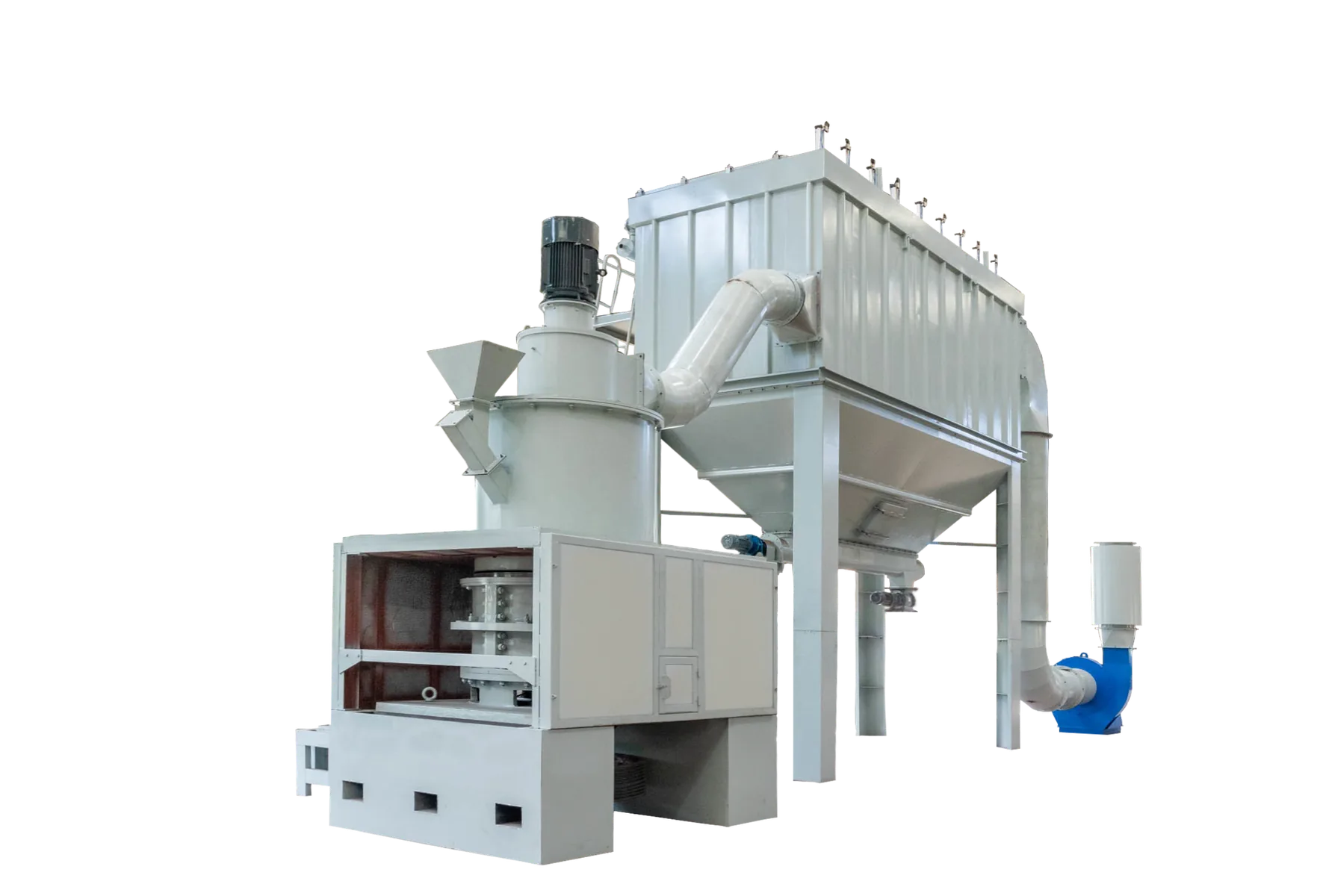
The CRGM is a dry ultrafine grinding system designed for brittle minerals like calcite. Prepared feed is dosed into the grinding chamber where multiple layers of rollers, driven by centrifugal force, press and shear material against stationary grinding rings — high-frequency breakage in a compact volume.
Process air lifts the ground calcite to a dynamic classifier whose rotor speed sets the cut point. Qualified powder continues to the pulse dust collector; coarse particles fall back into the grinding zone automatically. The result is a stable closed circuit with no separate screening stage, operating under negative pressure for clean handling.
01
Metered feeding
A variable-speed feeder introduces crushed calcite at a consistent rate, helping the mill maintain a stable load and particle-size distribution.
- Recommended feed is dry (≤ 3% moisture) and uniformly sized
- Magnetic separation protects the grinding zone from tramp iron
- Feed rate links to mill current and grinding pressure
Main machineGrinding chamber with multi-layer rollers and rings, main shaft and reducer drive
ClassifierVariable-frequency dynamic rotor that sets the calcite cut point
CollectorPulse-jet filter capturing finished powder and cleaning the process air
Fan & ductingNegative-pressure air loop connecting mill, classifier and collector
ControlsCentralized electrical cabinet with interlocks and load monitoring
06 / Why CRGM for calcite
Six engineering reasons producers choose the CRGM.
These points summarize what changes on the production floor when a plant moves calcite grinding to a ring roller mill platform.
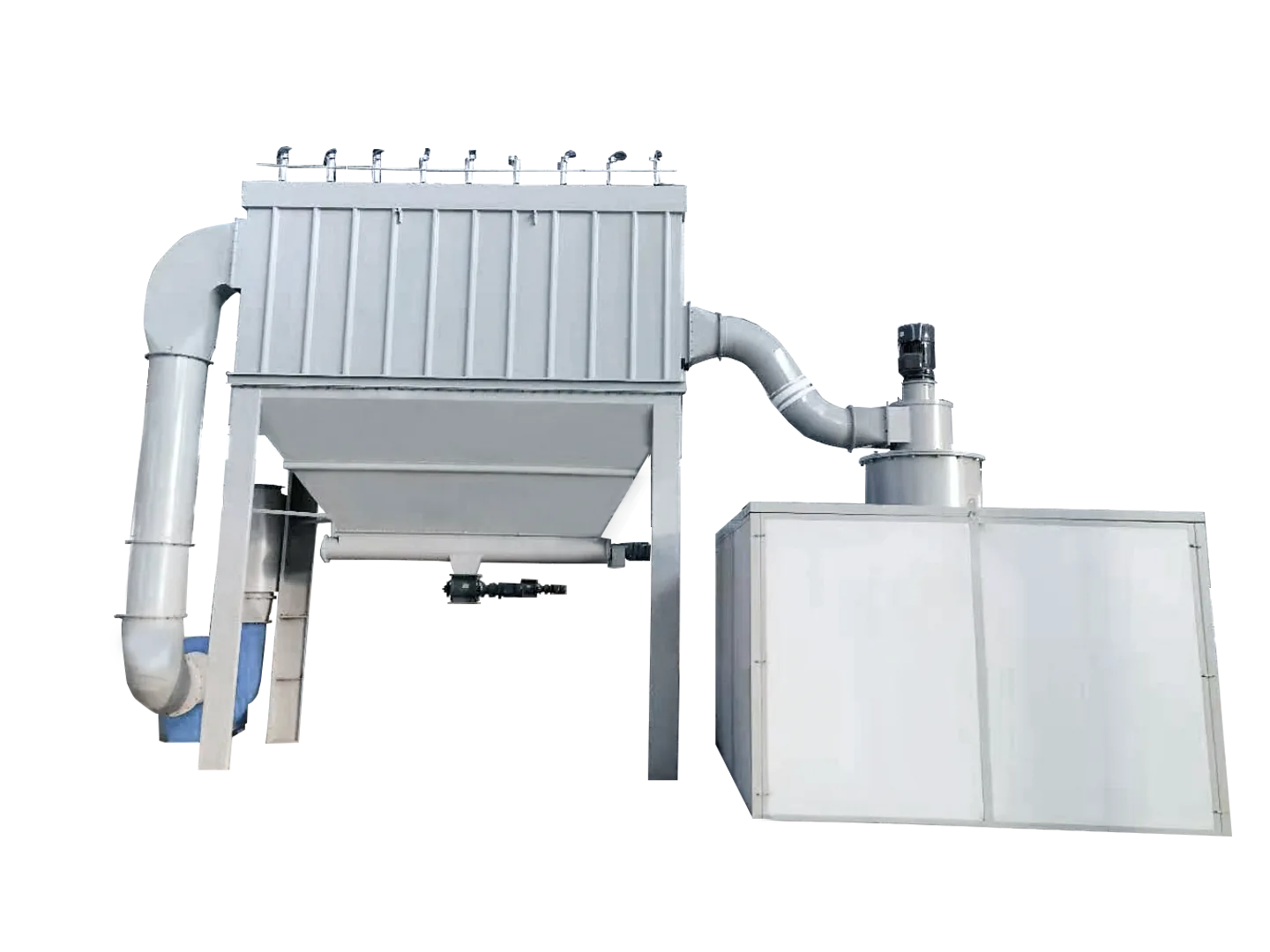
Integrated system designMill, classifier, collector, fan and controls engineered as one process.
Precise fineness control
Classifier speed adjusts the calcite cut point between 250 and 2500 mesh without changing screens — one line can serve multiple powder grades.
High grinding frequency
Multi-layer roller-and-ring contacts multiply breakage events per pass, which is what makes 5–10 μm calcite economical.
Lower ultrafine energy
Mechanical rolling avoids the compressed-air cost of jet milling; specific energy at 1250 mesh is typically well below fluidized-bed jet mills.
Whiteness protection
Negative pressure keeps powder away from bearings and lubricants; wear-material options limit iron pickup that would dull the product.
Clean, enclosed operation
Sealed conveying and pulse filtration hold dust inside the system — important for whiteness, for workers and for inspection.
Automation-ready
Central control supports interlocks, load monitoring and optional PLC recipes for switching calcite grades quickly.
07 / Models & specifications
Three calcite grinding mill sizes. One process platform.
Choose a starting platform below; final sizing is confirmed after reviewing grindability, moisture, feed size and the required calcite particle distribution.
CRGM1000
Flexible output for focused calcite product lines.
Suited to specialty calcite grades, market development and plants that prioritize recipe flexibility over maximum throughput.
0.5–2.0 t/hTypical calcite capacity
≤ 10 mmRecommended feed
D97 5–45 μmTypical fineness
CRGM technical parameters
Typical engineering ranges, not guaranteed values. Final data is confirmed in the technical proposal.
| Parameter | CRGM1000 | CRGM2000 | CRGM3000 |
|---|---|---|---|
| Typical calcite capacity | 0.5–2.0 t/h | 2–6 t/h | 4–12 t/h |
| Typical product fineness | D97 5–45 μm (250–2500 mesh) | D97 5–45 μm (250–2500 mesh) | D97 5–45 μm (250–2500 mesh) |
| Recommended feed size | ≤ 10 mm | ≤ 15 mm | ≤ 20 mm |
| Recommended feed moisture | ≤ 3% | ≤ 3% | ≤ 3% |
| Main mill motor range | 75–90 kW | 185–250 kW | 315–400 kW |
| Classifier motor range | 15–22 kW | 30–45 kW | 55–75 kW |
| Typical roller count* | 18–24 | 24–32 | 32–40 |
| Approx. total installed power* | 115–160 kW | 280–380 kW | 480–650 kW |
| Suggested duty | Specialty / pilot lines | General GCC production | High-volume calcite plants |
*Configuration-dependent. Capacity references calcite-type feed at moderate fineness; finer targets or harder feed reduce throughput. Ask Cronus for a material-specific calcite grinding mill selection.
08 / Applications
Beyond calcite: one mill, many industrial minerals.
The same CRGM platform grinds other brittle non-metallic minerals where tight top-size control, clean handling and consistent powder quality matter.
Plastics & masterbatchPaints & coatingsPaper millsRubber compoundsBuilding materialsCeramicsAgricultureEnvironmental treatment
Calcite / calcium carbonate
Plastics, paper, coatings, sealants
Limestone
Construction, desulfurization, fillers
Dolomite
Glass, ceramics, soil treatment
Talc
Polymers, coatings, ceramics
Barite
Drilling mud, coatings, dense fillers
Kaolin
Paper, ceramics, rubber
Gypsum
Boards, plaster, cement
Bentonite
Foundry, drilling, absorbents
Material check
CRGM is intended for dry, brittle, non-explosive mineral feed. Fibrous, sticky, heat-sensitive, combustible or high-moisture materials require specific evaluation and may need pre-drying, inerting or a different process.
09 / Engineering cases
CRGM calcite grinding lines, from workshop to plant.
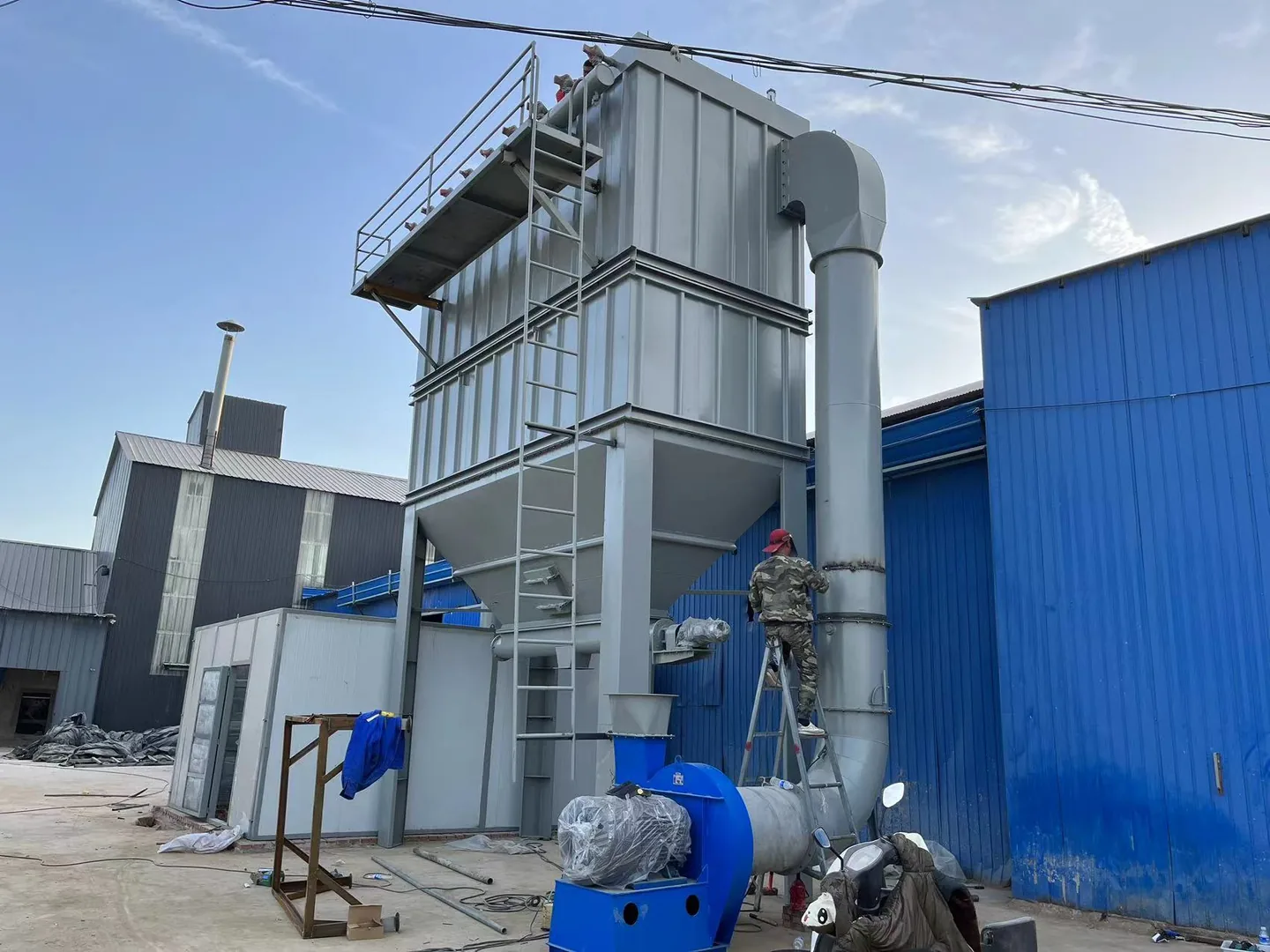
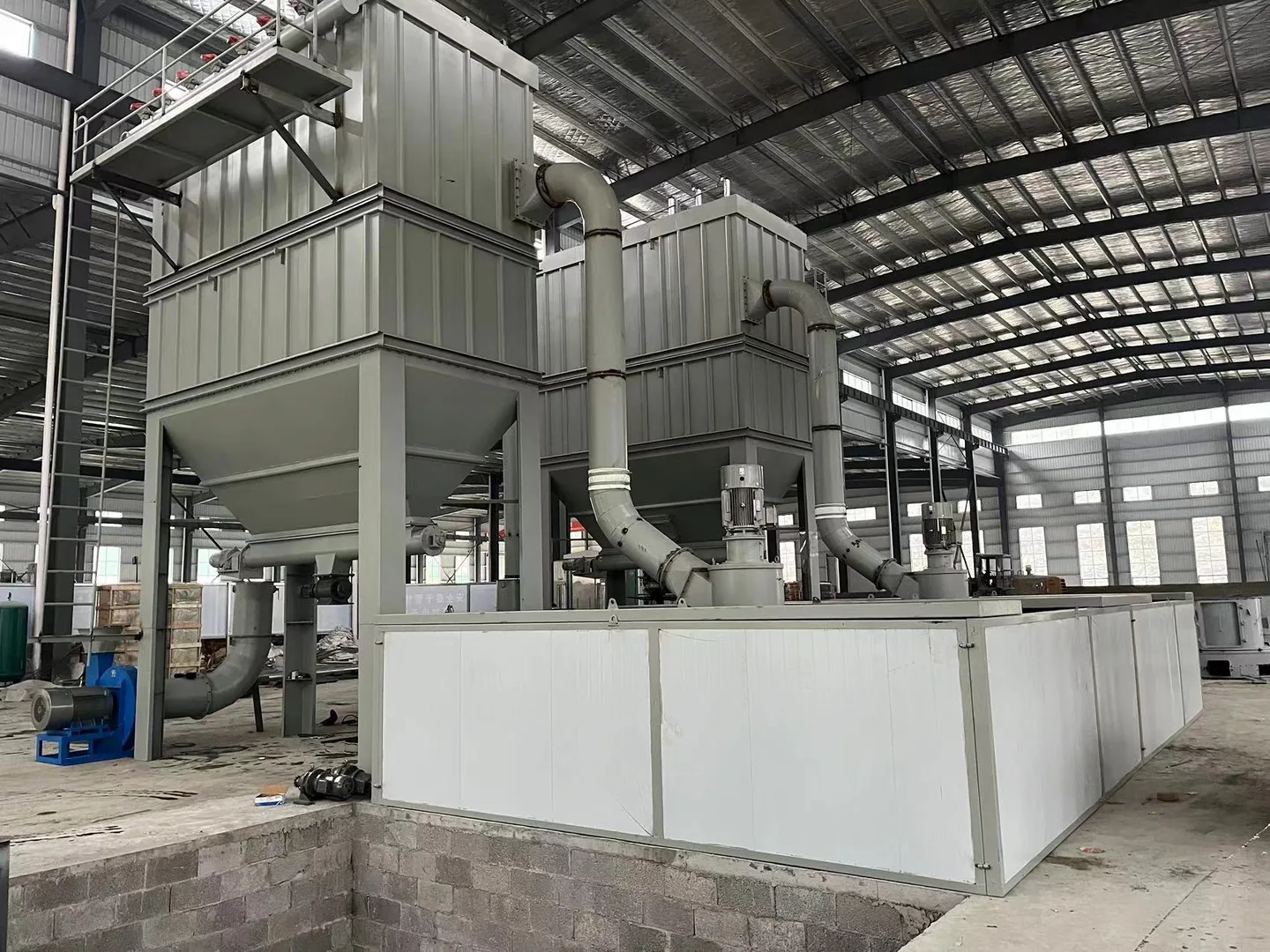
Workshop assembly, installed lines and field footage from Cronus ultrafine grinding projects.
Factory acceptance
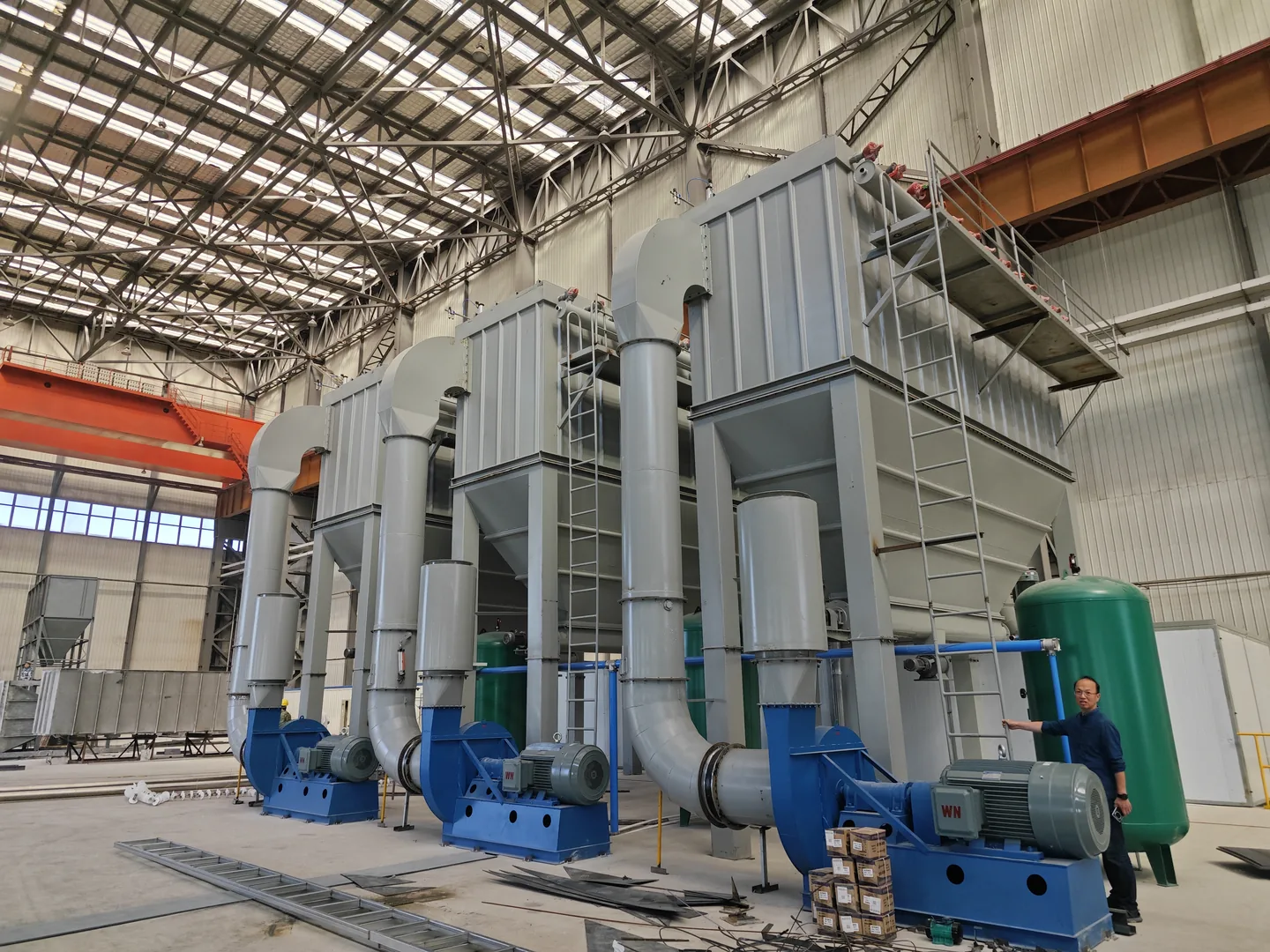
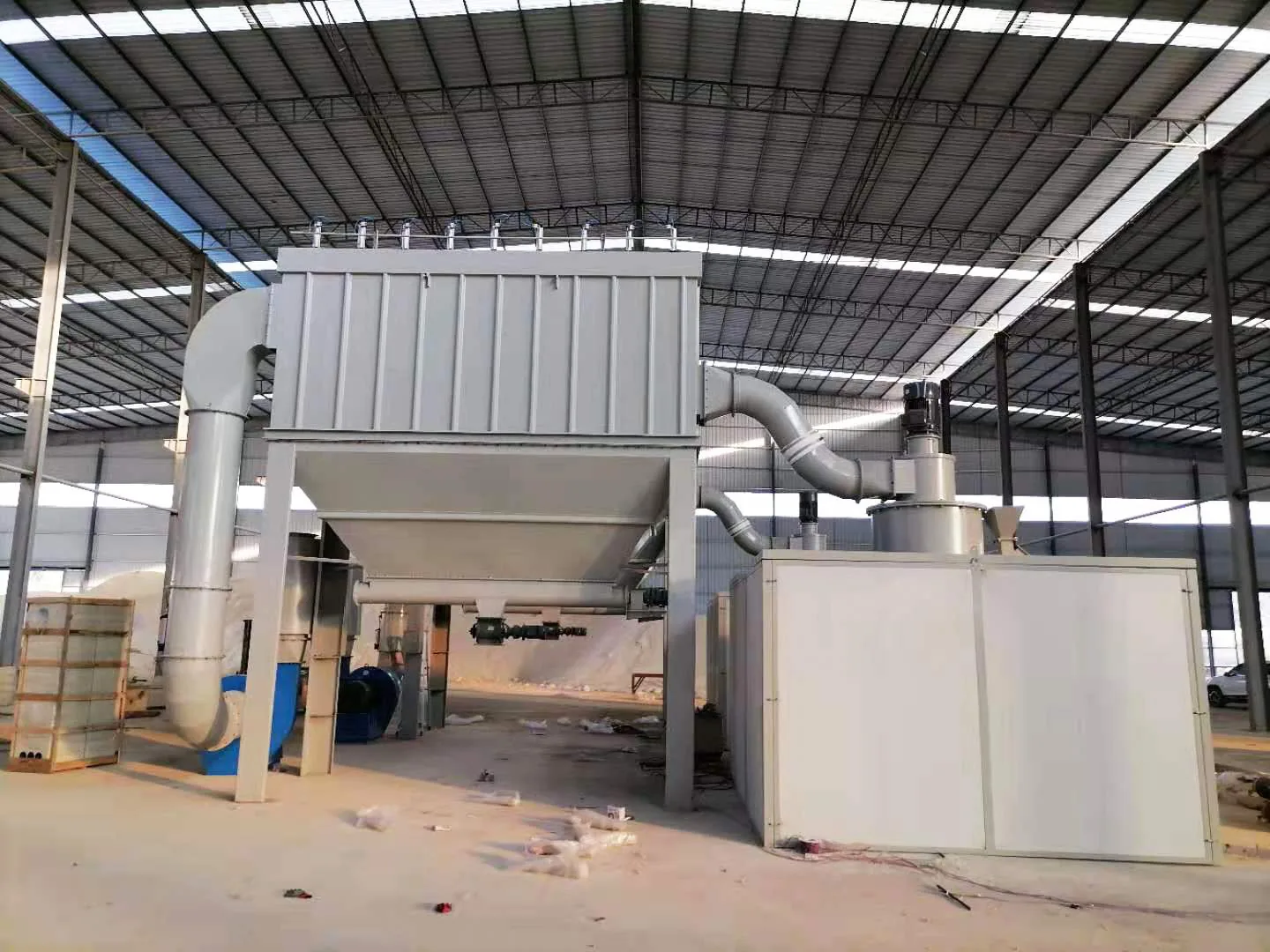
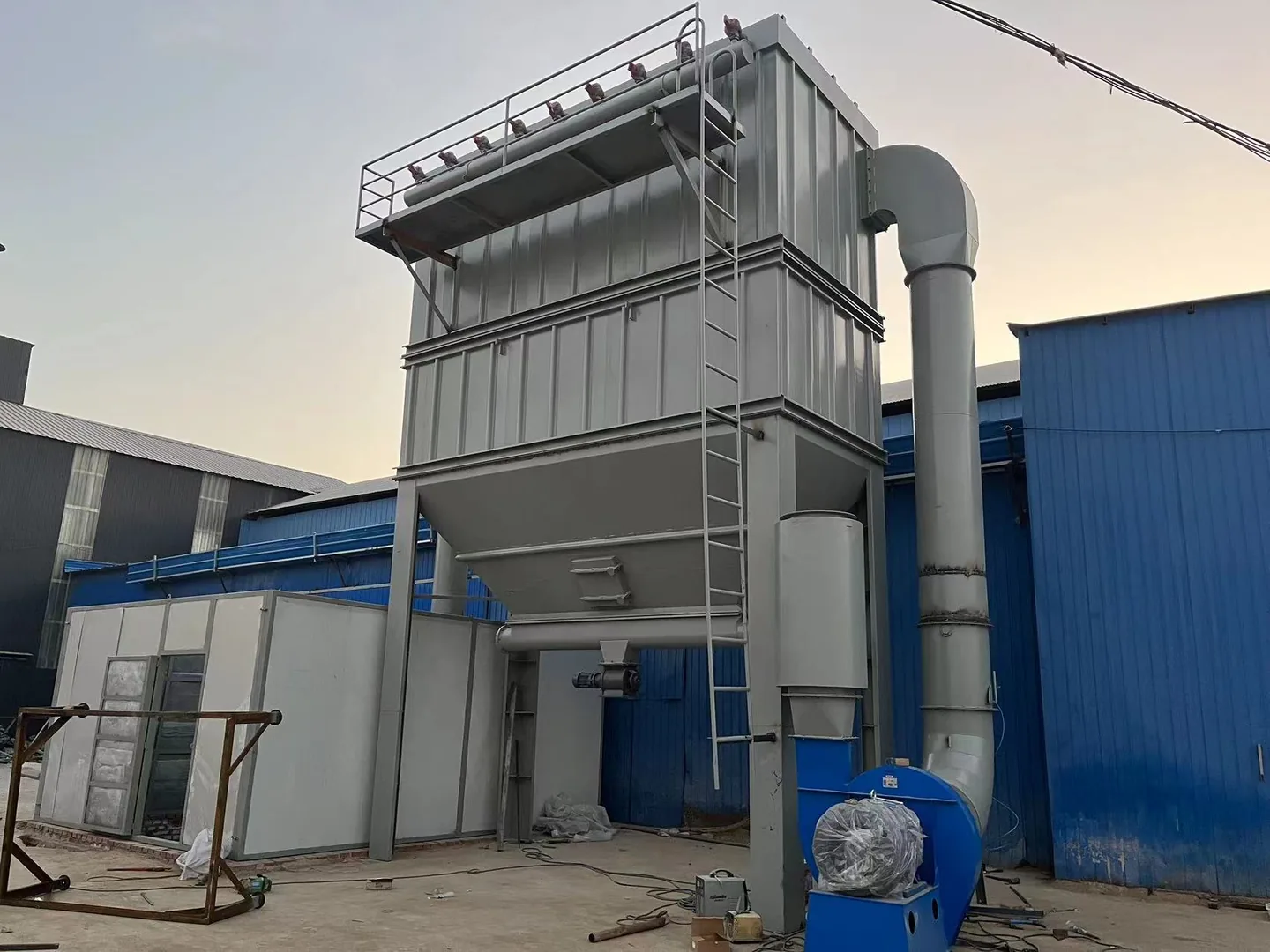
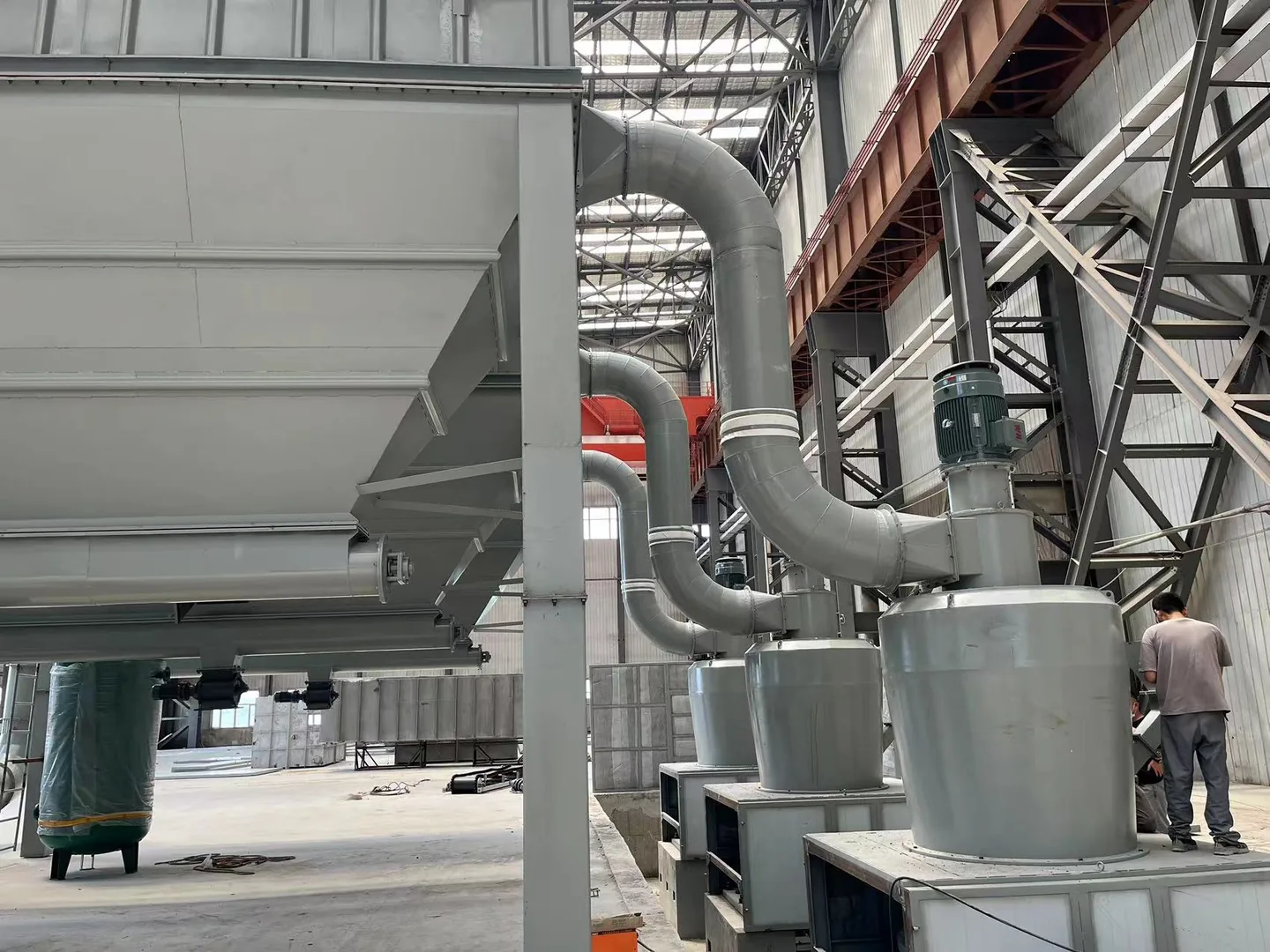
Multi-line CRGM system assembly
Parallel modules provide flexible calcite powder capacity and make staged maintenance possible without redesigning the complete circuit.
Field video 01
Ultrafine grinding system in operation
Field video 02
Installed calcite production line
10 / Equipment comparison
CRGM vs. Raymond mill vs. ball mill.
A Raymond mill remains a sound choice for coarse calcite powder, and ball mills still win at massive scale. But when the specification moves to 800 mesh and finer, the comparison turns decisively toward the CRGM.
| Decision factor | CRGM ring roller mill | Raymond mill | Ball mill |
|---|---|---|---|
| Best product range | D97 5–45 μm (250–2500 mesh) | 80–400 mesh (38–180 μm) | 200–325 mesh (45–75 μm) |
| Grinding action | Multi-stage rolling, pressing and shearing | Pendulum rollers against a ring | Impact and attrition by grinding media |
| Size control | Dynamic classifier, adjustable cut point | Air classifier, broader at ultrafine | Screen / hydro-cyclone, wide PSD |
| Ultrafine efficiency | Designed for repeated high-frequency breakage | Throughput falls sharply below 400 mesh | Energy rises steeply below 325 mesh |
| Specific energy at ~1250 mesh | Low — mechanical rolling, no compressed air | Not practical | High, plus media wear |
| Footprint & noise | Compact vertical layout, enclosed circuit | Moderate | Large drum, significant noise |
| Choose when | Target is fine/ultrafine calcite 250–2500 mesh with tight top size | Coarser powder, lowest capital priority | Very large volume of coarse–medium powder |
Not sure which circuit fits your calcite?Share your deposit analysis, target PSD and annual operating hours. Our engineers compare the circuits on product quality, energy, wear and total operating cost.
Request a process review 11 / Wear parts & spares
Original parts, made close to the machine.
Cronus supports the full service life of your calcite grinding mill with OEM drawings, a dedicated casting supply chain and fit-controlled replacement parts.
Original factory parts from OEM drawingsGroup-owned casting foundryMaterial traceability & hardness recordsFactory-direct pricing without middlemen
Grinding rollers
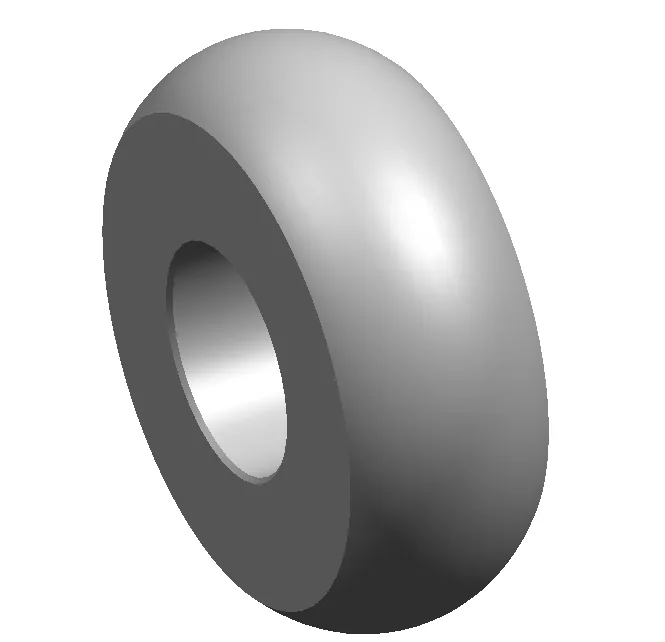
Wear-resistant alloy matched to calcite abrasiveness.
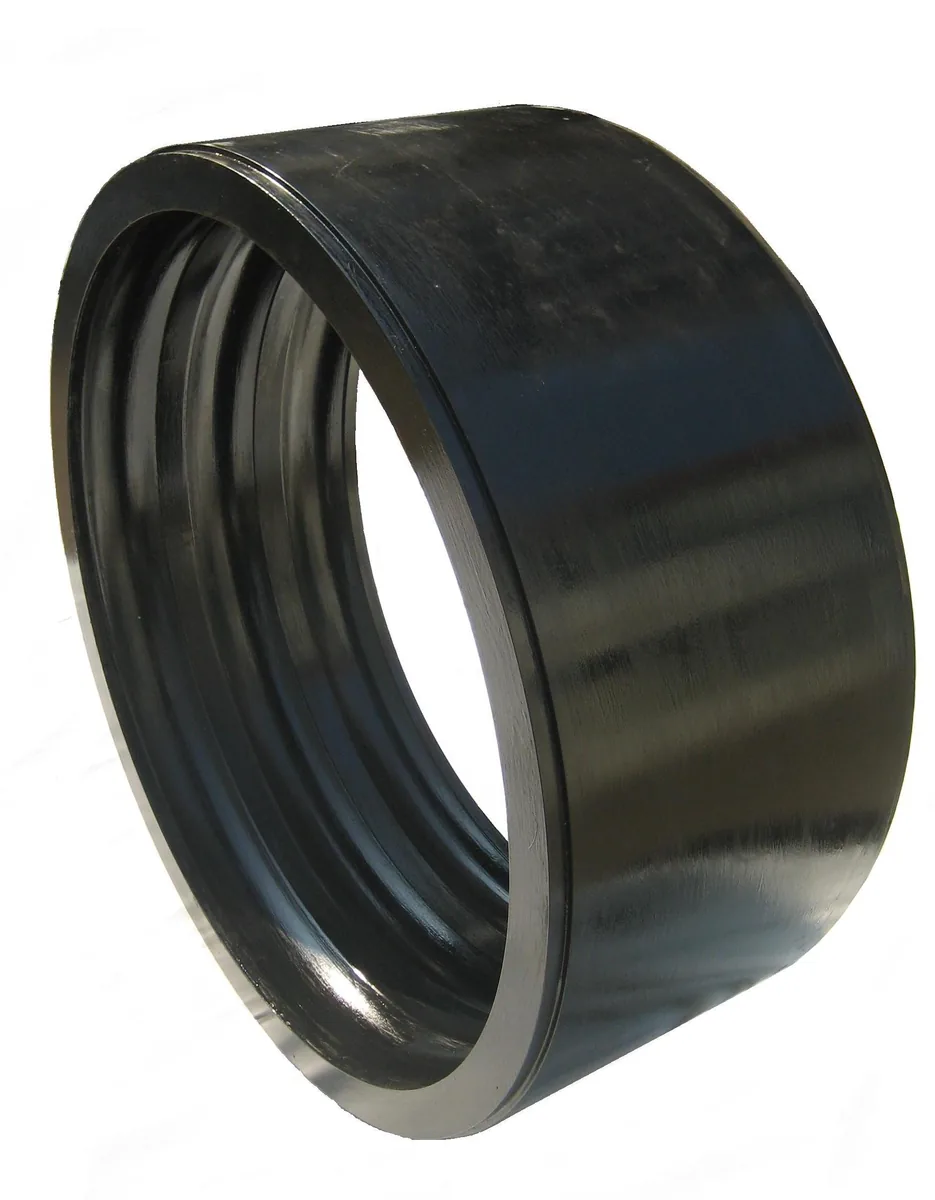
Grinding rings
Controlled hardness and mating geometry for stable grinding.
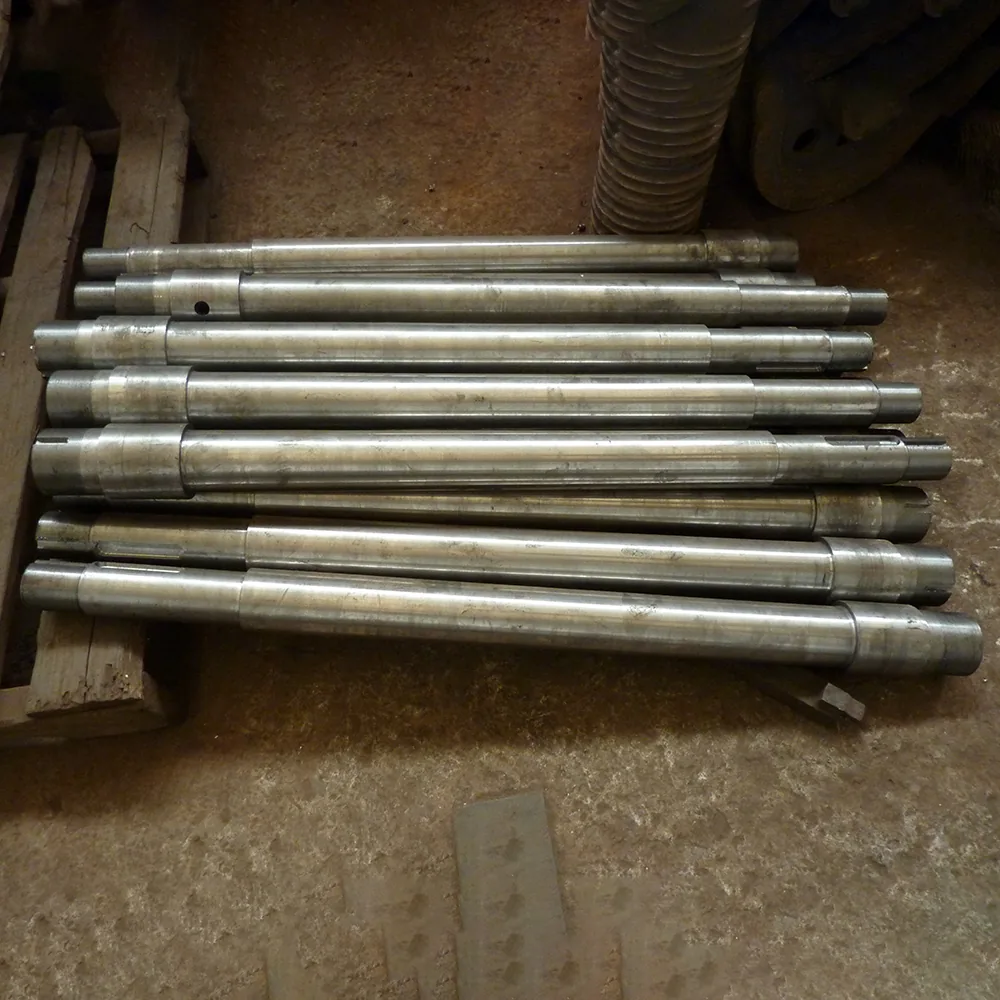
Main shaft
Machined and inspected against original assembly drawings.
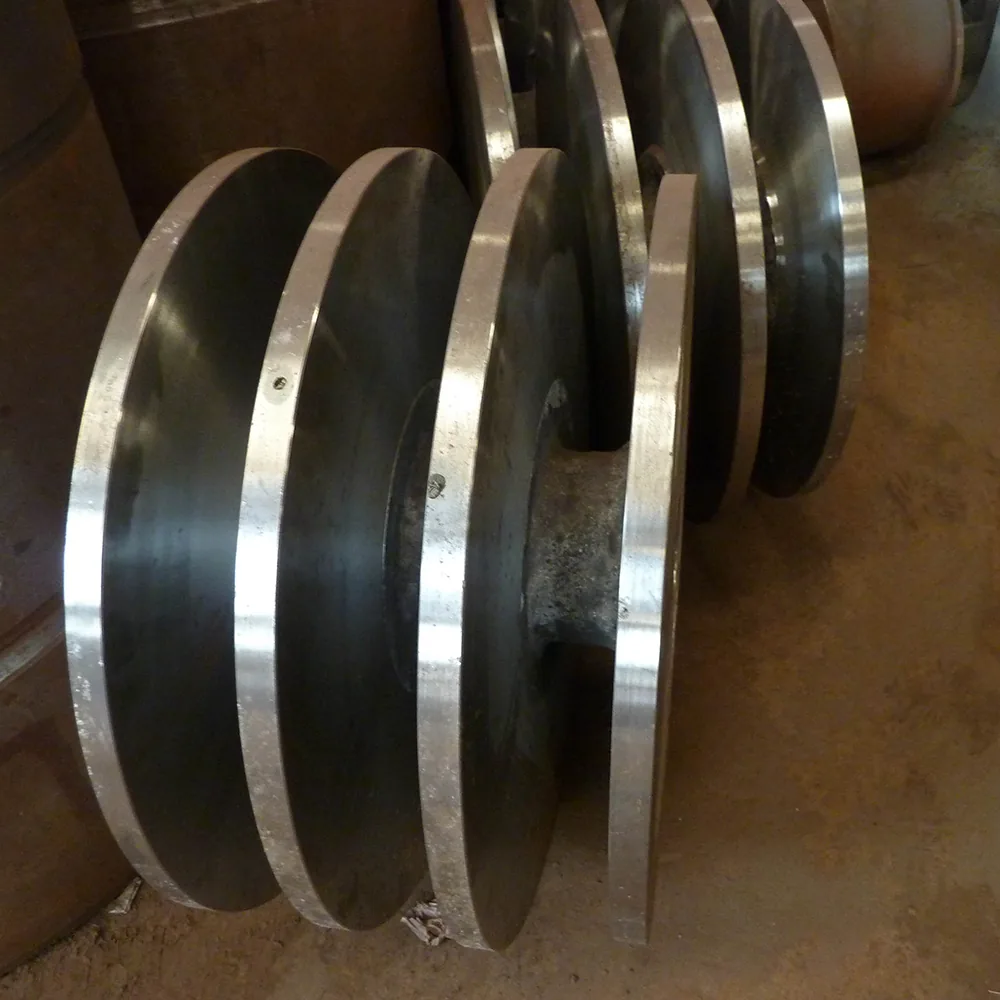
Turntable
Balanced rotating assembly for long-term reliability.
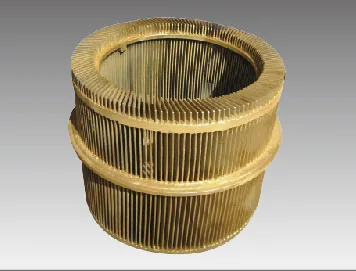
Classifier rotor
Precision geometry protects the powder cut point.
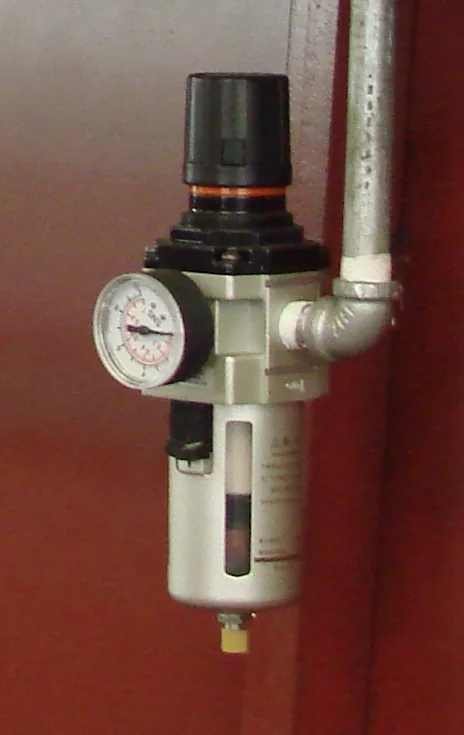
Filter elements
Media selected for temperature and powder behavior.
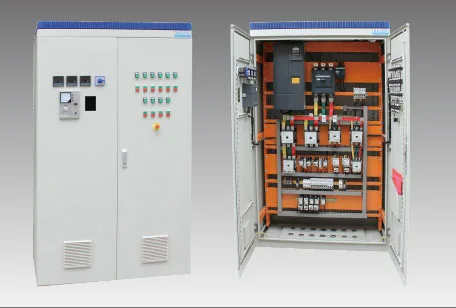
Electrical controls
Documented components and practical replacement support.
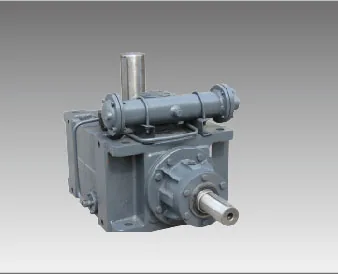
Drive components
Matched reducers, couplings and bearings for the duty.
12 / Lifecycle service
Support that starts before the purchase order.
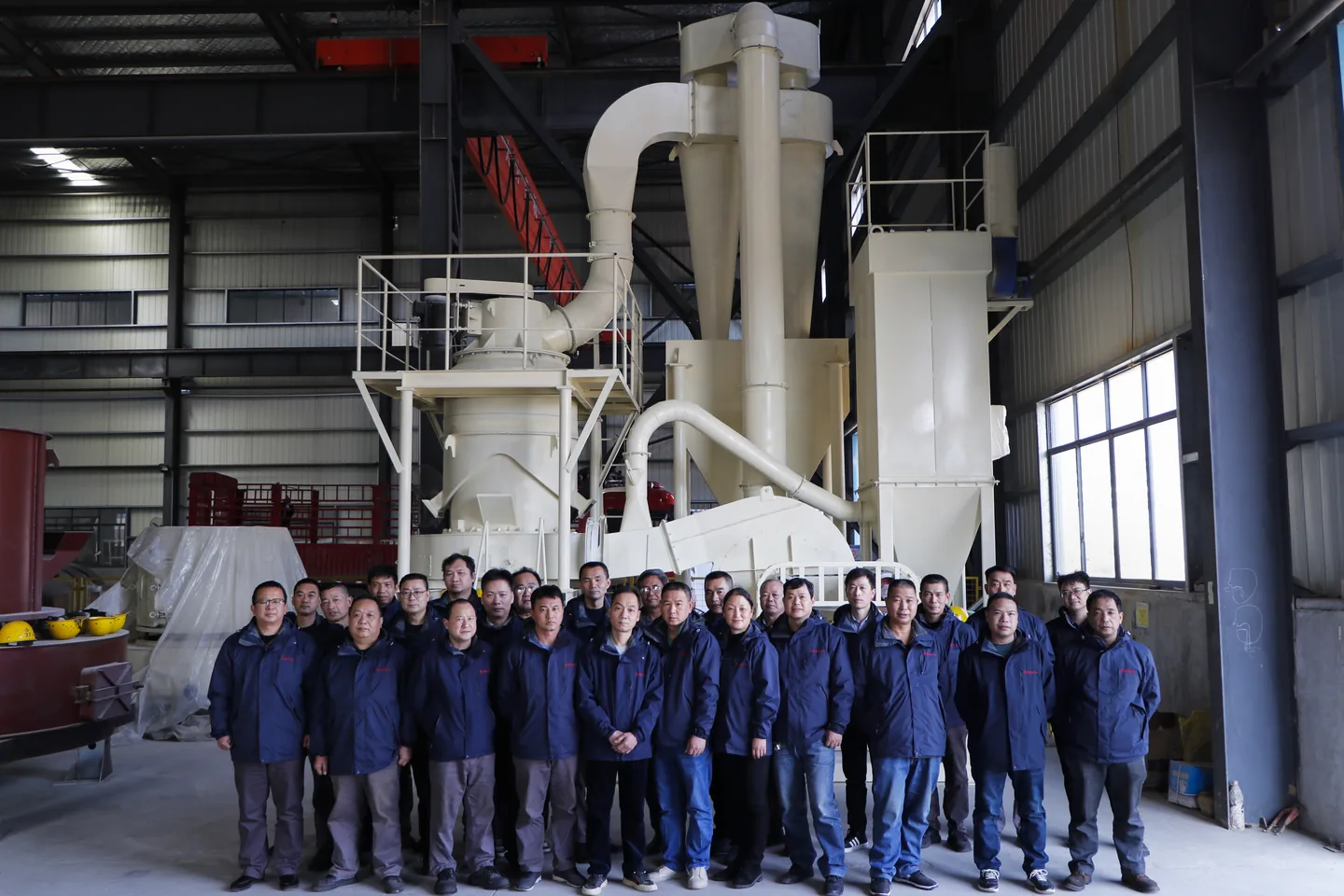
Good mill performance begins with a complete process brief. Our service path keeps technical decisions visible from sample review through commissioning — and customers are always welcome to visit the Guilin factory and running calcite plants.
- 01
Material review
Calcite chemistry, hardness, moisture, bulk density and target particle distribution.
- 02
Process engineering
Model selection, flow diagram, utilities, dust control and layout coordination.
- 03
Manufacturing & inspection
Documented fabrication, assembly checks and factory acceptance preparation.
- 04
Installation & commissioning
Foundation information, erection guidance, commissioning and operator training.
- 05
Production support
Remote troubleshooting, process optimization and planned spare-part supply.
13 / FAQ
Calcite grinding questions, answered clearly.
These answers cover early-stage selection. Your formal proposal will define the material-specific process and performance basis.
Ask an engineerWhat fineness can a CRGM calcite grinding mill produce?
The normal selection envelope is D97 5–45 μm, roughly 250–2500 mesh. The actual cut point depends on calcite grindability, classifier speed, airflow and circulating load, and is adjusted without changing screens.
Which calcite raw material is suitable for ultrafine grinding?
Look for CaCO₃ content of 97.5% or higher, whiteness above 90, low quartz and iron impurities, feed size within the mill specification and moisture below 3%. These properties drive both product color and grinding economy.
How is CRGM different from a Raymond mill for calcite?
Raymond mills are economical for 80–400 mesh powder, but their capacity and efficiency fall sharply at finer targets. CRGM uses multi-stage rolling and a high-efficiency dynamic classifier to hold D97 5–45 μm with tighter size control and better energy use.
Should I choose a ball mill or a ring roller mill?
Ball mills suit very large volumes down to about 325 mesh, but energy rises steeply in the ultrafine range and dry classification below ~10 μm is difficult. For 800 mesh and finer calcite, the ring roller mill is normally more efficient and compact.
How do I choose between CRGM1000, CRGM2000 and CRGM3000?
Start with required output at the target fineness: roughly 0.5–2 t/h for CRGM1000, 2–6 t/h for CRGM2000 and 4–12 t/h for CRGM3000 on calcite-type feed. Grindability testing confirms the final selection.
What equipment makes up a complete calcite powder line?
A typical line includes a jaw crusher, a fine crusher, bucket elevator and belt conveying, a storage silo with metering feeder, the CRGM calcite grinding mill with classifier, a pulse dust collector, screw conveyors and packing machines.
How is product whiteness protected during grinding?
By controlling wear-material selection, keeping the system under negative pressure so powder never contacts bearings or lubricants, and avoiding over-grinding that exposes impurity streaks in the raw calcite.
Can the CRGM grind coated (surface-modified) calcium carbonate?
Yes. An inline surface modifier can be added after the collector so stearic-acid or silane coating is performed continuously on freshly produced calcite powder, improving dispersion in polymers.
What feed moisture does the mill accept?
Recommended feed moisture is 3% or below. Wetter calcite should be dried first, because excess moisture agglomerates fine powder and overloads the dust collector.
Is the stated capacity guaranteed for every calcite deposit?
No. Published ranges are selection references. Capacity changes with hardness, feed size distribution, moisture and final fineness, so the guaranteed figure is defined in a material-specific technical proposal.
Which wear parts does a calcite grinding mill consume?
Grinding rollers, grinding rings, classifier rotor components, filter bags, seals and drive consumables. Calcite is only Mohs 3, so wear parts generally last longer than in harder mineral service.
How does CRGM energy use compare with jet milling?
Mechanical rolling plus dynamic classification normally consumes significantly less specific energy than fluidized-bed jet mills at the same ultrafine fineness, because no high-pressure compressed air is required.
What installation and commissioning support is available?
Cronus provides foundation drawings, layout and flow diagrams, remote or on-site installation guidance, commissioning, operator training and planned spare-part supply according to the project contract.
How should I prepare an inquiry?
Provide the calcite deposit name or analysis, feed size, moisture, required output in t/h, target fineness in mesh or D97 microns, whiteness requirement, planned operating hours and site voltage.
Start your calcite project
Tell us what your calcite powder needs to do.
Send the details below and our engineering team will prepare a practical model recommendation and process outline for your deposit.
Phone / WhatsApp+86 199 2122 1418
Emailsales@shcronus.com
Shanghai officeRoom 801, Building 2, Shanghai Zhicheng, No. 8666 Hunan Road, Pudong New Area, Shanghai, China